
Launching a new website feels like crossing the finish line. The design is polished, the pages are live, and the basics are in place. In reality, launch day is the starting line. A website with good bones is not the same as a website that consistently attracts customers from search.
The difference comes down to foundation versus strategy. An SEO foundation is the one-time setup that makes your site readable to search engines. An SEO strategy is the ongoing plan that builds authority, adapts to change, and turns visibility into leads and revenue. Here are five reasons your business needs both.
A Solid Foundation Is Only the Starting Line
A proper SEO foundation covers the essentials: a logical site structure, optimized title tags and meta descriptions, mobile-friendly design, clean URLs, and basic on-page optimization. These elements make it possible for search engines to crawl, understand, and index your website. Without them, nothing else works.
But a foundation only makes you eligible to rank. It doesn’t earn you rankings. It doesn’t build the backlinks that signal authority, target the competitive keywords your customers actually use, or create the depth of content that convinces search engines your site deserves a top spot. Plenty of technically sound websites sit on page three because nothing has been done since launch.
Think of it like opening a storefront. Unlocking the doors is necessary, but you still need signage, advertising, and a reason for people to walk in. And because the search landscape keeps shifting, even a strong start won’t stay strong on its own.
SEO Is Constantly Changing
Search engines update their algorithms constantly. Google alone makes thousands of adjustments each year, and several major core updates can reshuffle rankings almost overnight. Pages that performed well last spring can slide by fall without anything on your site having changed.
New aspects of SEO also keep emerging. Google’s AI Overviews now answer questions directly in results. Core Web Vitals reward fast, stable page experiences. Content quality standards increasingly favor first-hand expertise over generic articles. Even the goal of optimization is expanding, as we covered in our post on answer engine optimization (AEO), where the aim is to be cited as the answer by tools like ChatGPT and Perplexity.
This is why a “set it and forget it” approach is so risky. What worked at launch can quietly stop working, and you may not notice until leads dry up. A full SEO strategy builds in regular monitoring and adjustment so you adapt before the damage shows. Staying current matters even more because your competitors are doing the same work.
Your Competitors Are Not Standing Still
Search rankings are relative. You aren’t graded against an absolute standard. You are ranked against every other business competing for the same searches. If a competitor publishes new content every month, earns fresh links, and refines their pages, your unchanged website loses ground even if you did nothing wrong.
That’s why ongoing competitive analysis is a core part of any real SEO strategy. Studying who ranks above you, what topics they cover, and where their backlinks come from reveals the gaps you can exploit. A content gap analysis, for example, may show that customers are asking questions your site never answers while a competitor answers them well.
These insights turn guesswork into a plan. Instead of publishing whatever comes to mind, you invest in the topics and pages most likely to move the needle. Knowing where to compete leads to the next question: what should you actually build?
Content, Authority, and Local Signals Need Ongoing Investment
Three areas of SEO reward sustained effort rather than one-time fixes. The first is content. Fresh, original pages that answer the specific questions your customers ask signal relevance to both search engines and AI tools. A single round of copywriting at launch can’t keep up with changing search behavior.
The second is authority. Link building and digital PR earn mentions from reputable sites, which tell search engines your business is trustworthy. Authority accumulates slowly, so businesses that start early and stay consistent build advantages that are hard for latecomers to match.
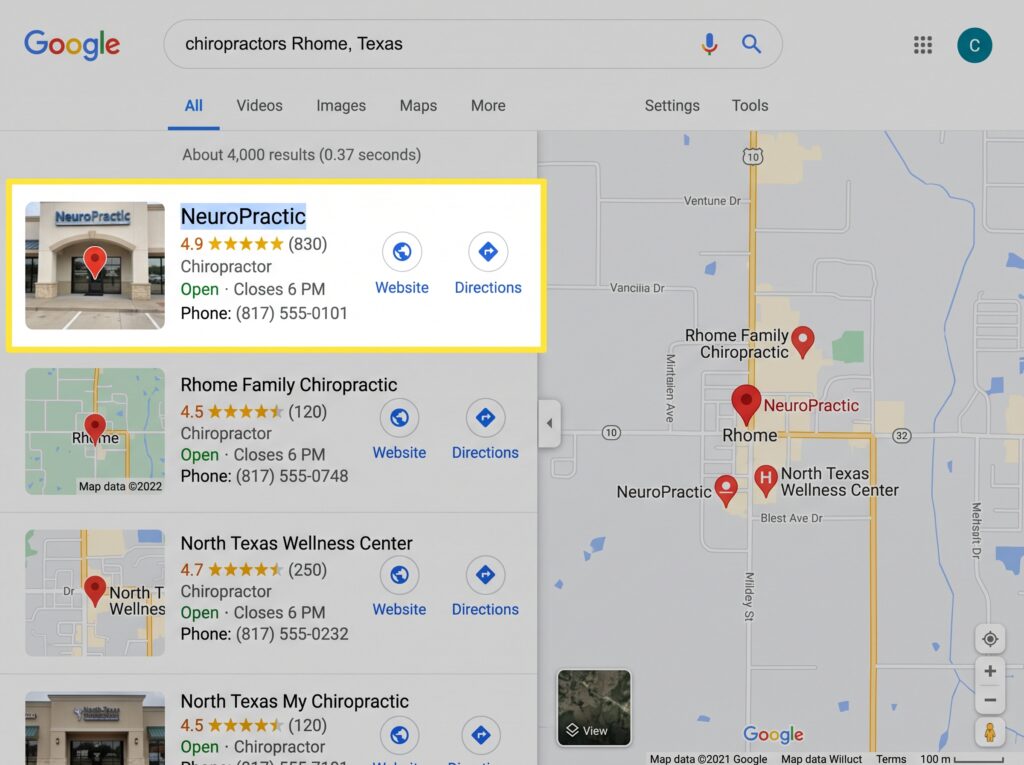
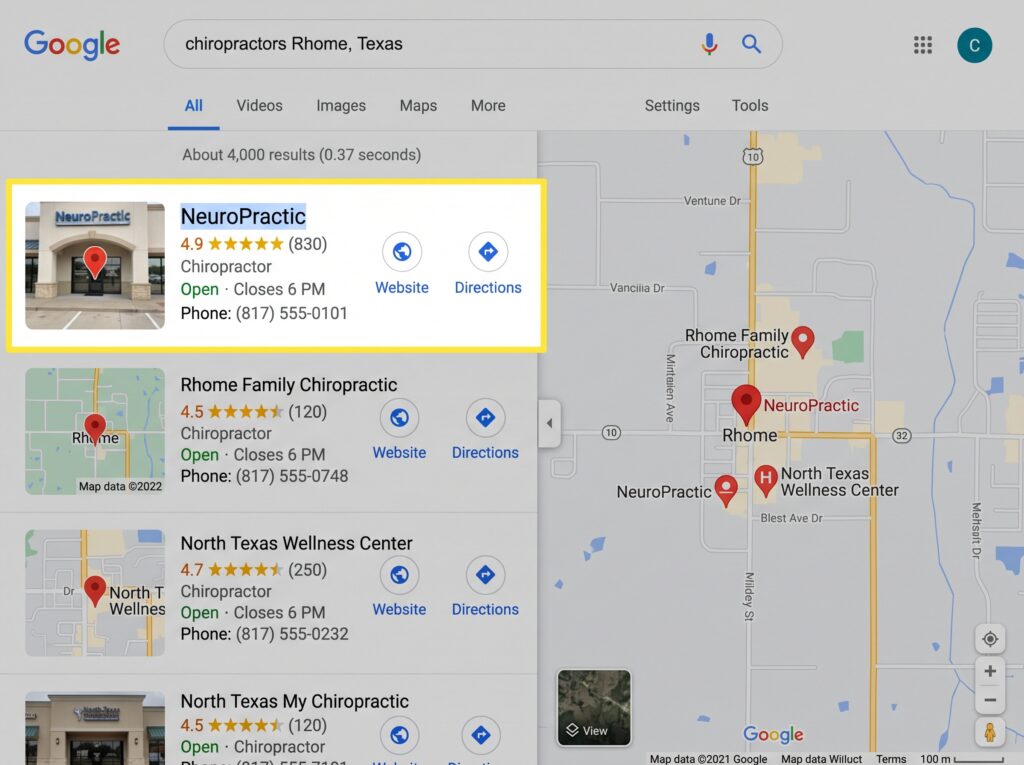
The third is local visibility. For businesses serving specific areas, this means maintaining a strong Google Business Profile, collecting reviews, and creating location pages with real local value. Swapping city names into identical copy doesn’t work, and near-duplicate pages can trigger quality warnings. Each page needs unique details, such as local landmarks, community context, and service specifics. With all this activity underway, you need a way to tell what is working.
A Full Strategy Turns Data Into Decisions
Without measurement, SEO is guesswork. A full strategy includes recurring technical audits that catch broken links, slow pages, crawl errors, and missing schema markup before they hurt your rankings. Small technical problems tend to pile up quietly, and a regular check keeps them from becoming expensive ones.
Reporting matters just as much. Track rankings, organic traffic, and, most importantly, conversions such as calls, form submissions, and sales. Add newer indicators like AI visibility, including how often your brand is cited in AI-generated answers. Together these numbers show what’s paying off and what isn’t.
The real value of data is the decisions it supports. It shows you which pages to expand, which keywords to pursue next, and where your budget delivers the strongest return. That clarity turns SEO from a mysterious expense into a measurable growth channel.

Key Takeaways
A good website foundation gets you into the game, but only a full SEO strategy helps you win. Keep these points in mind:
- The foundation is the starting line. Technical setup makes you eligible to rank, but it doesn’t earn rankings on its own.
- SEO never stops changing. Algorithm updates, AI Overviews, and answer engines mean yesterday’s tactics can fail tomorrow.
- Competitors keep moving. Rankings are relative, so standing still means falling behind.
- Content, authority, and local signals compound. Consistent investment builds advantages that late starters can’t easily copy.
- Data drives smarter decisions. Audits and reporting show you where to focus and prove your return.
The businesses that treat SEO as an ongoing strategy are the ones customers find first.
Ready to Build a Strategy That Grows With You?
Planify.agency helps businesses move beyond the basics with SEO strategies built for long-term growth. We audit your current website, uncover competitive gaps, and create a roadmap that adapts as search evolves. Contact Planify.agency today to schedule your website audit and start turning your site into a lasting source of leads.